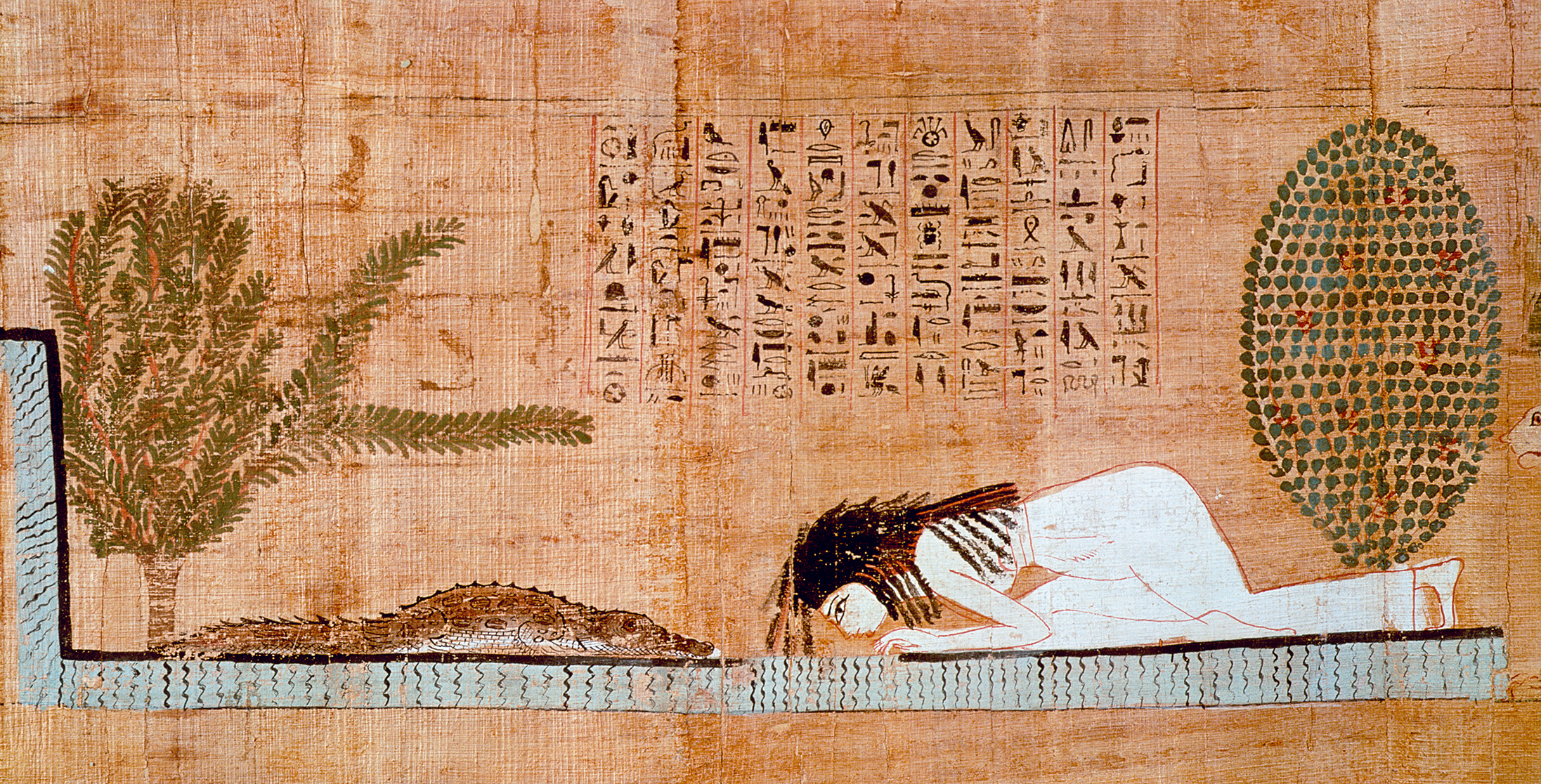
One of the final voyages my grandparents made before my grandfather passed away was Egypt. They brought back gifts for all their grandchildren. I was given a pyramid filled with gold sparkling dust, the pharaohs head afloat in the center. Every night, I would cup the pyramid in my palms, shake up the golden dust and watch it settle, then very gently place it underneath my pillow before resting my eyes. Growing up, we had no art in our house, except for a framed sheet of Papyrus in the middle of our living room. I always admired it.
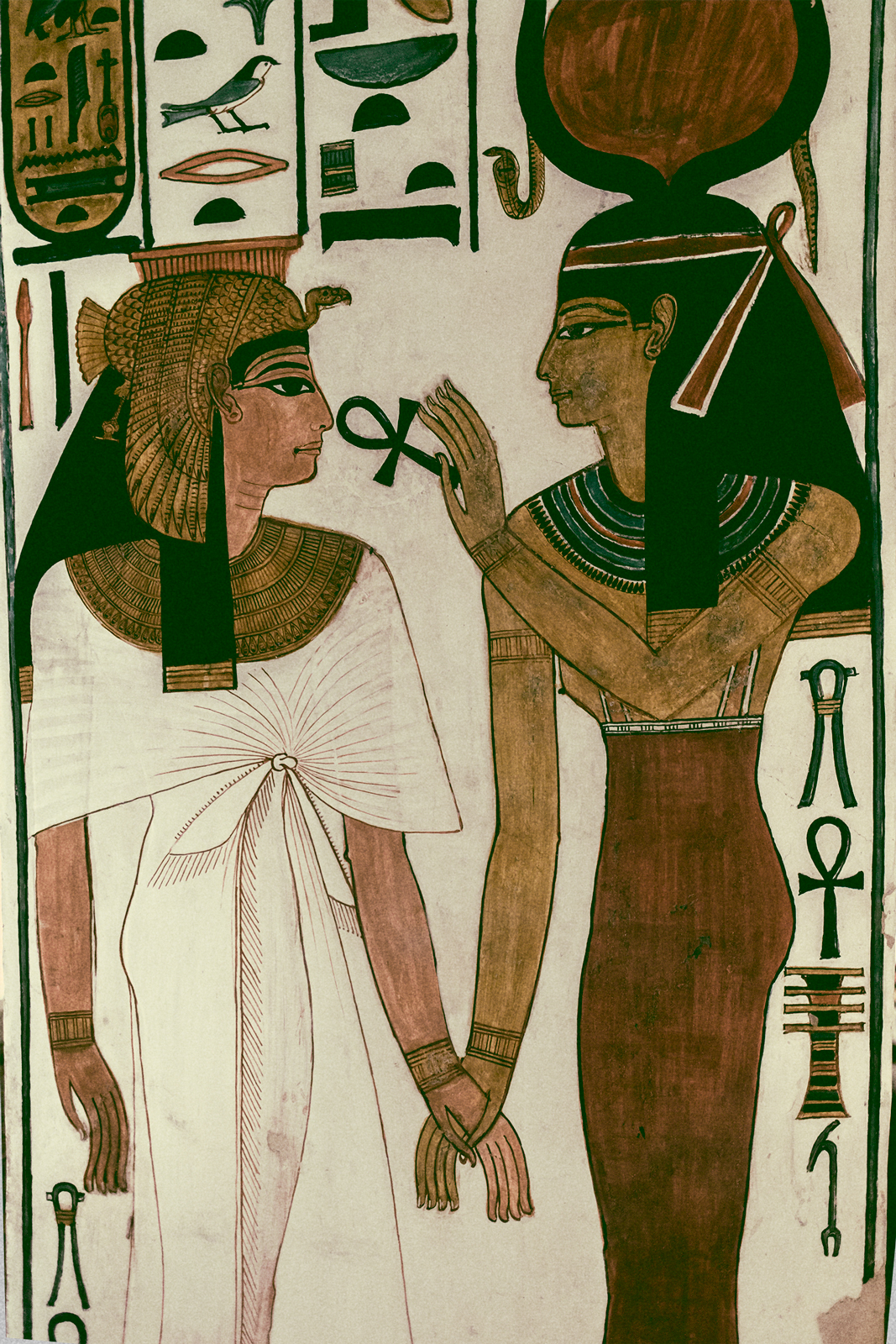
From the moment I landed, the air pressed against me, dry and unrelenting, sharp in my nose, on my lips. Staring through the dust-filmed taxi window, prayers drifting from the radio, I watched the streets move past, crowded almost entirely with men, each one seemingly carrying more than their physical weight. A stark imbalance was blowing through this land.
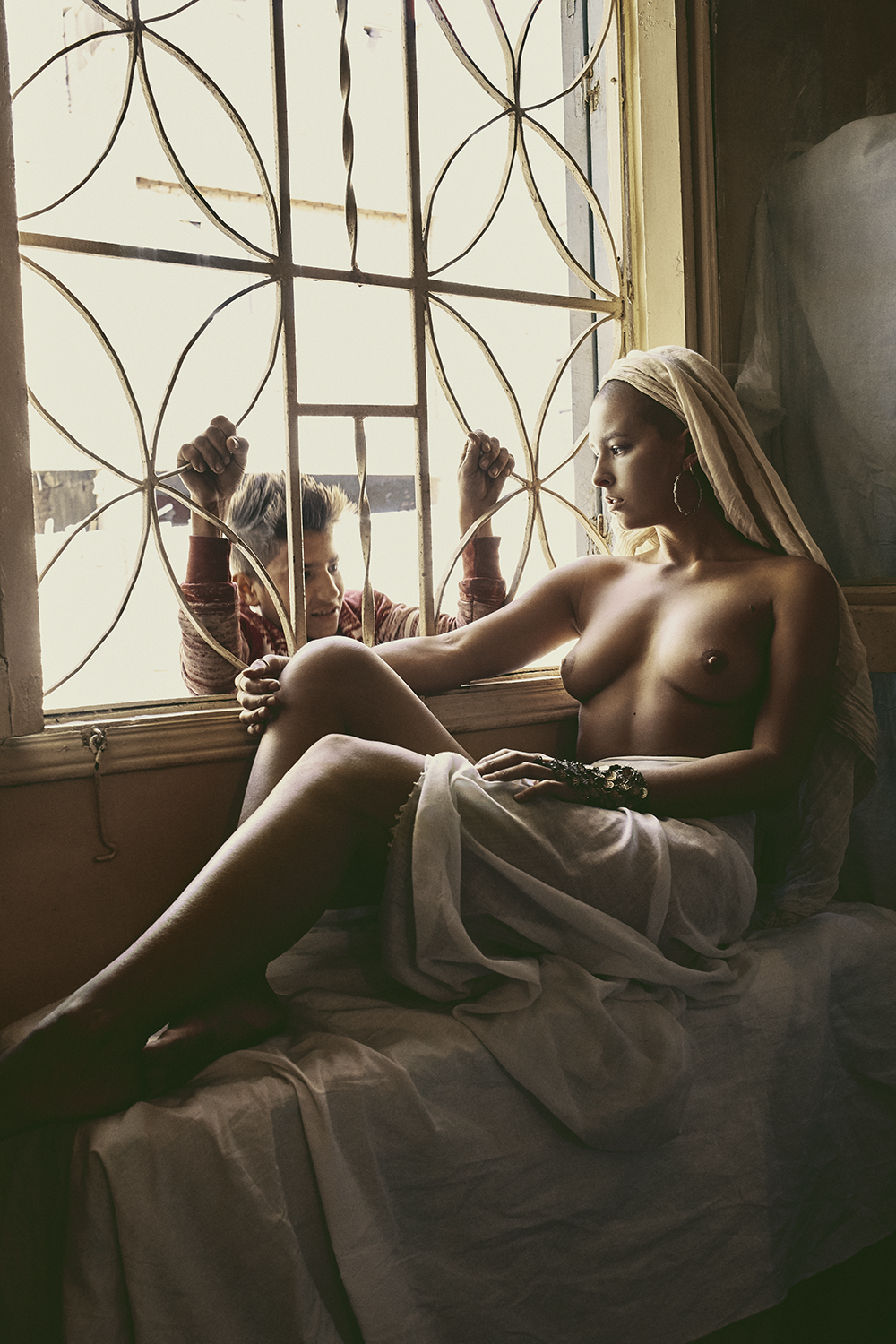
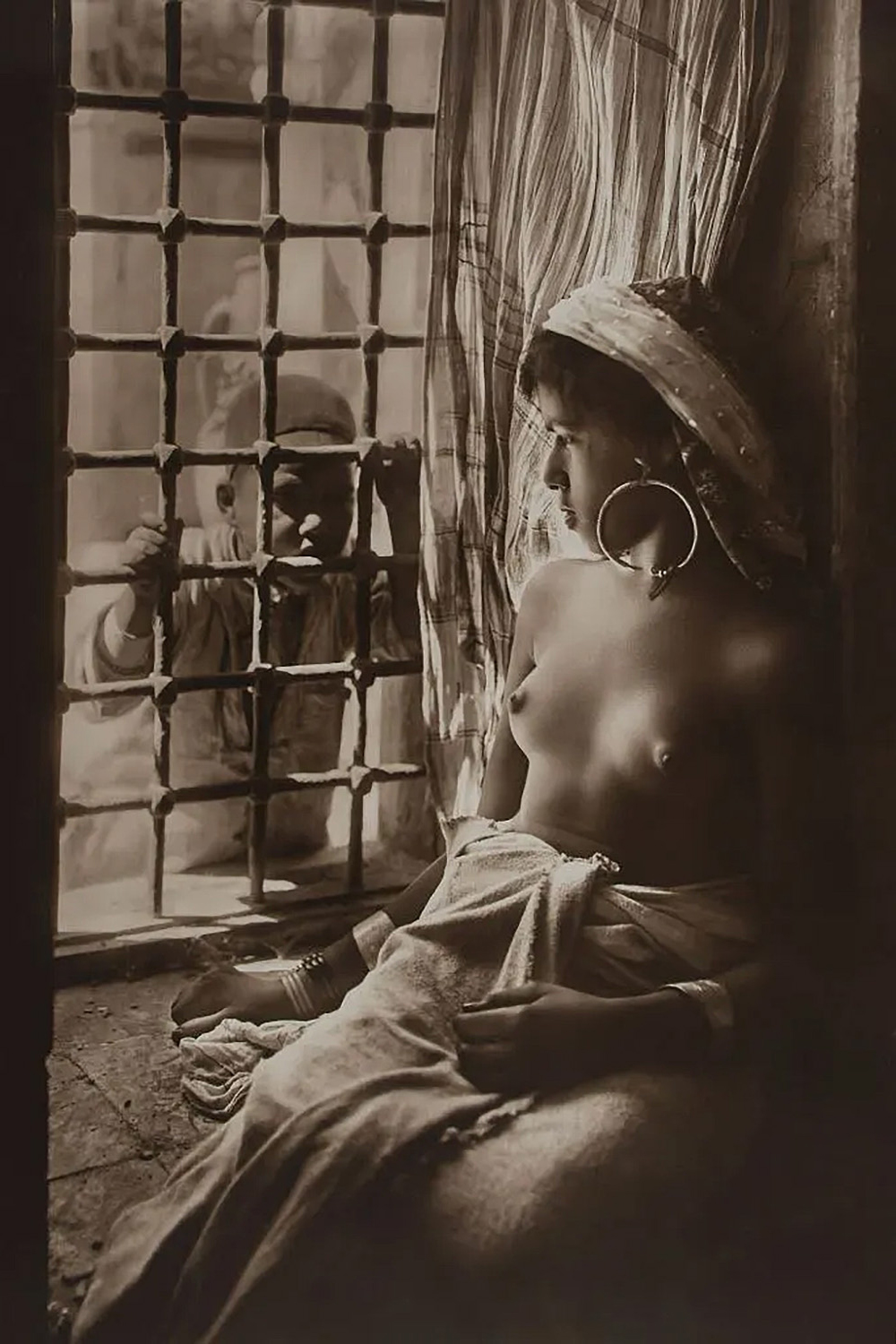
From our terrace, the plateau stretched out before us. If I sat upright in bed, my eyes could touch the peak of the central pyramid. After a brief rest, the excitement stirred us outside, and immediately we were swallowed into the sea of visitors. We wrestled through the crowd until I looked up and met the Sphinx looking directly at me. I gasped as its majesty descended over me like a caressing wave. Not long after, we stood within the remnants of a ruin beside the outermost pyramid. A deep stillness moved through me — and before I was fully aware of it, I was naked. I tiptoed across the ancient stones, while my fingers stroked the fractured walls, until the three pyramids filled my field of vision. In that moment, my body entered a state of calm hyper-consciousness. Time became porous, and it felt I had arrived somewhere I had always been. In the same gaze, the pyramids before me shimmered ecstatically and half-dressed bodies in white linen danced in the wind. As soon as I blinked, everyone was clothed in black again and the structures crumbled.
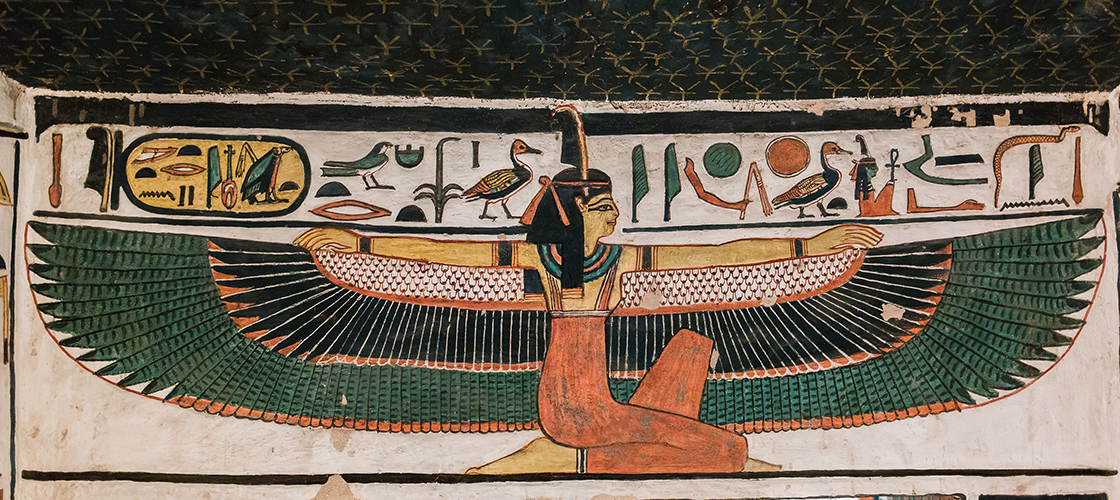
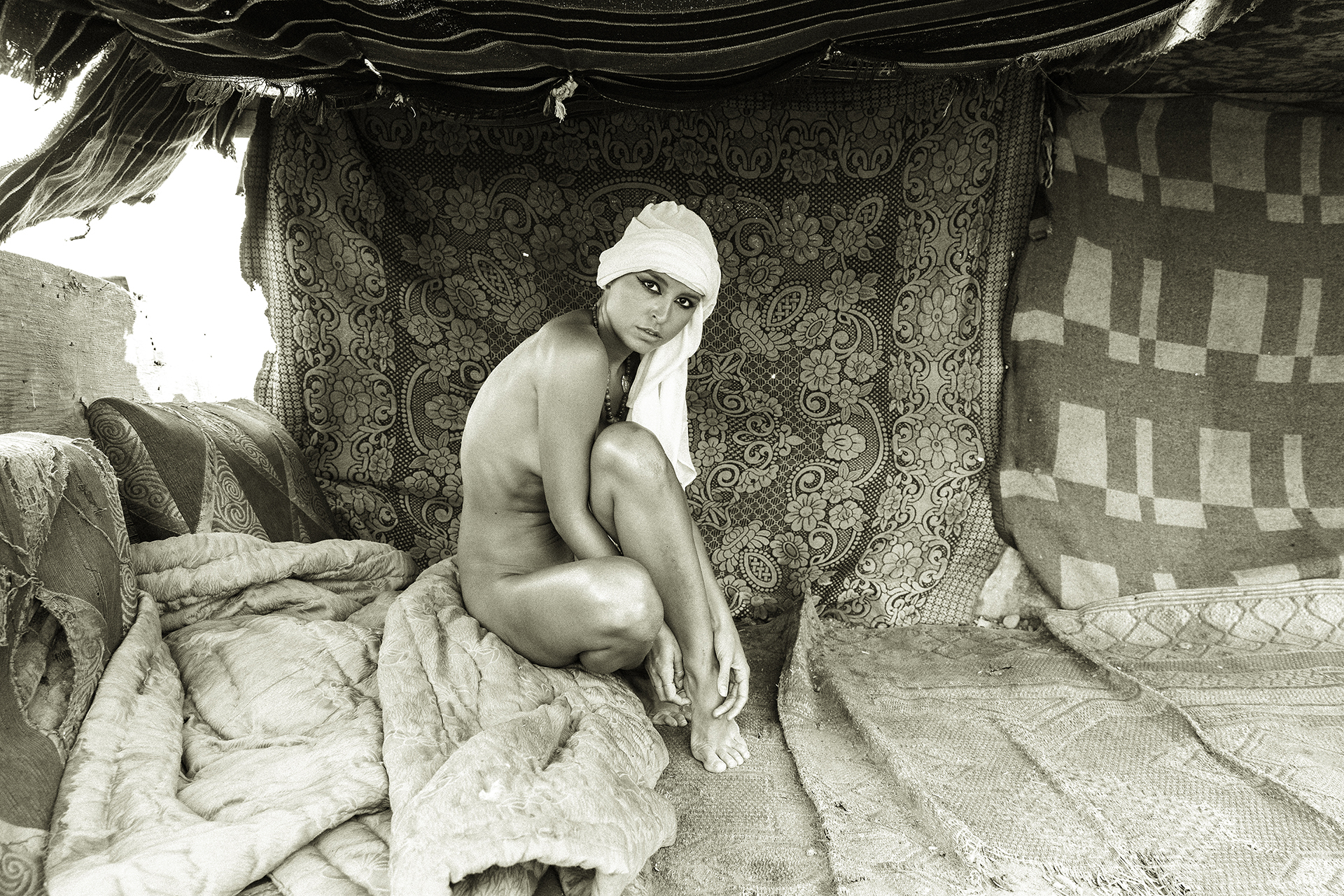
For five days we returned at dawn and dusk, the plateau as our stage. Then we traveled to Ethiopia, to live among the Surma tribe in the Omo Valley. To bathe in their rivers was another dream manifesting but our return to Egypt was always near. Luxor was waiting.
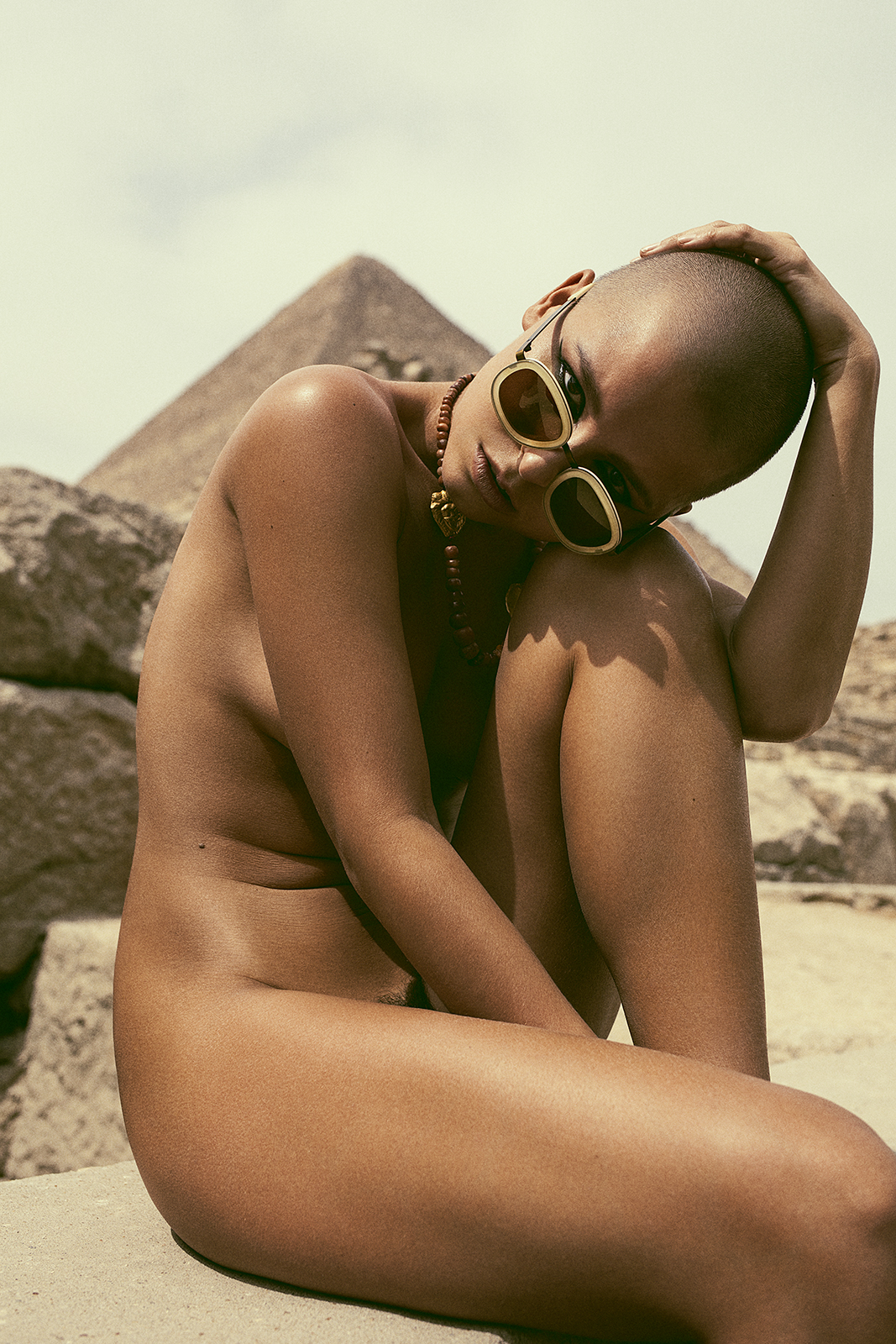
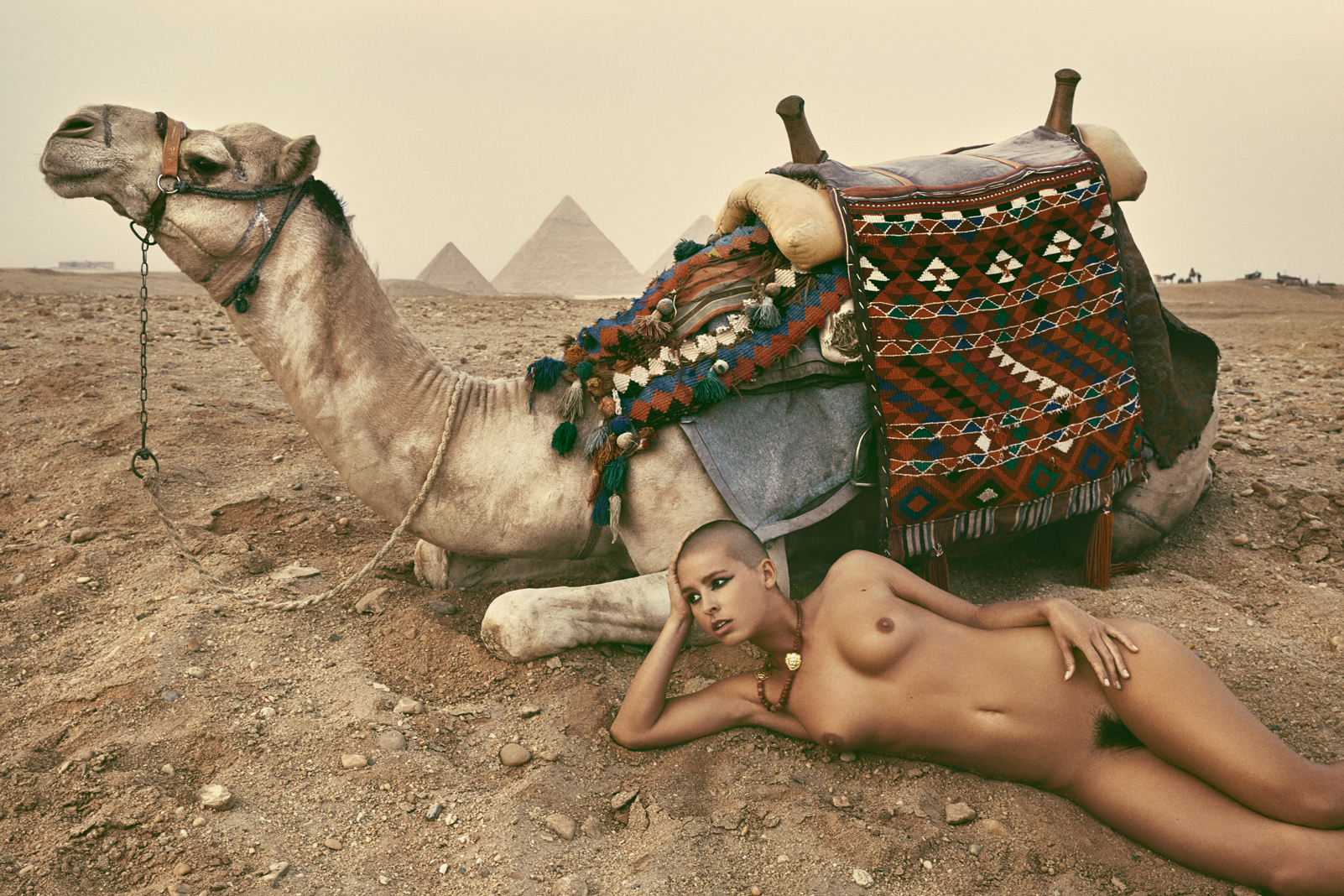
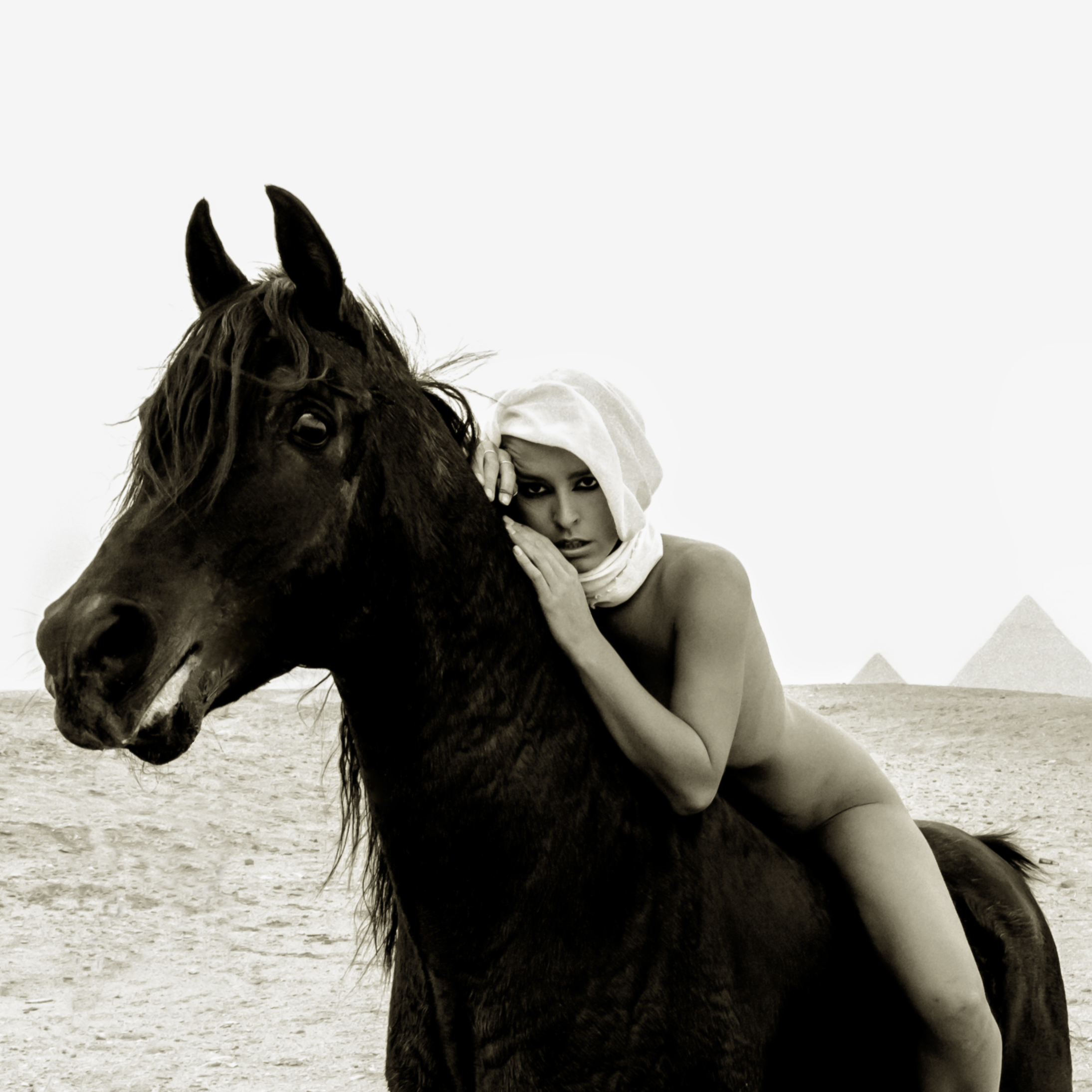
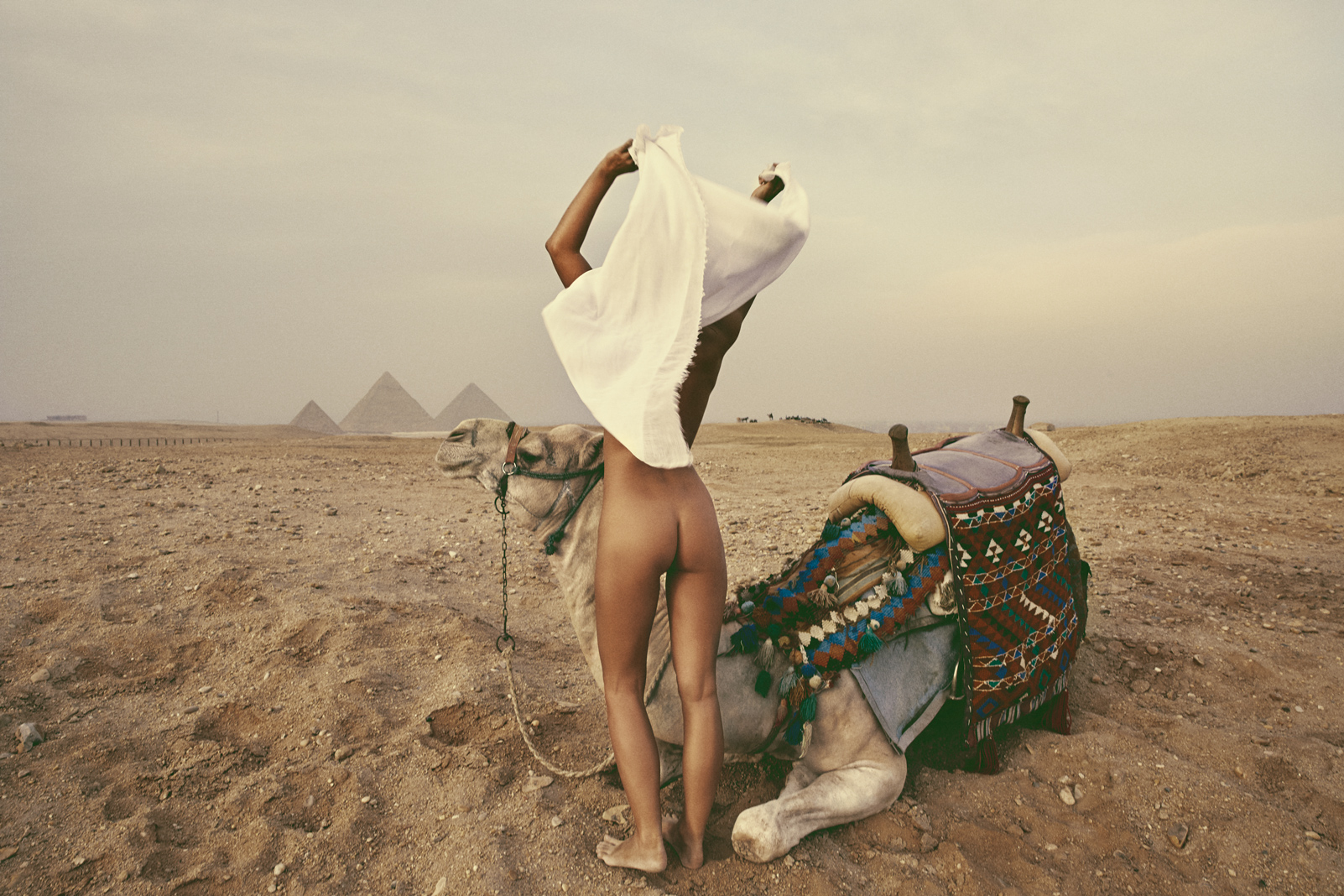
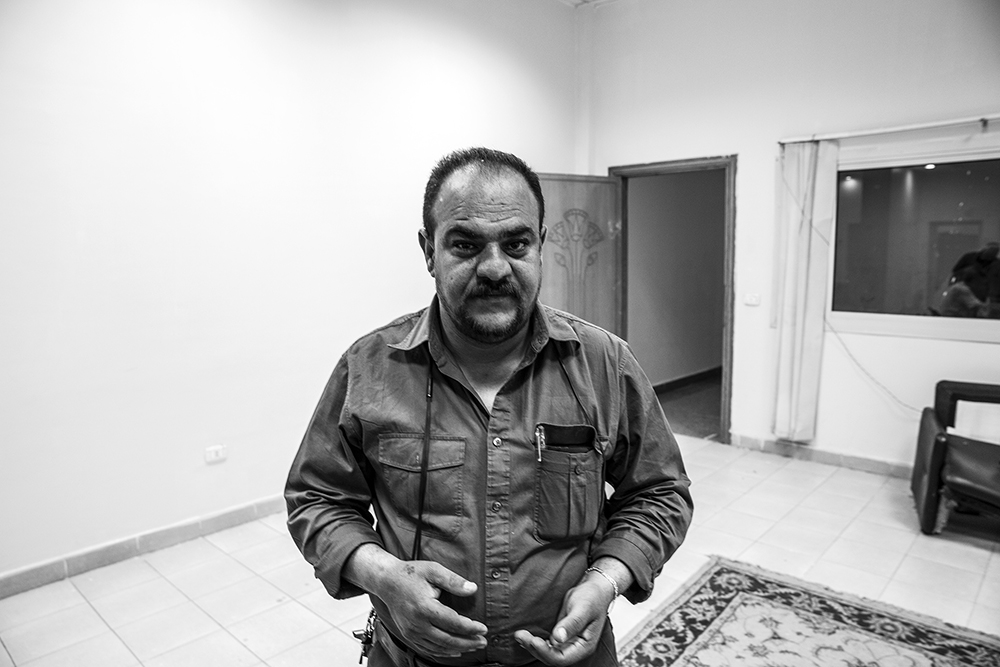
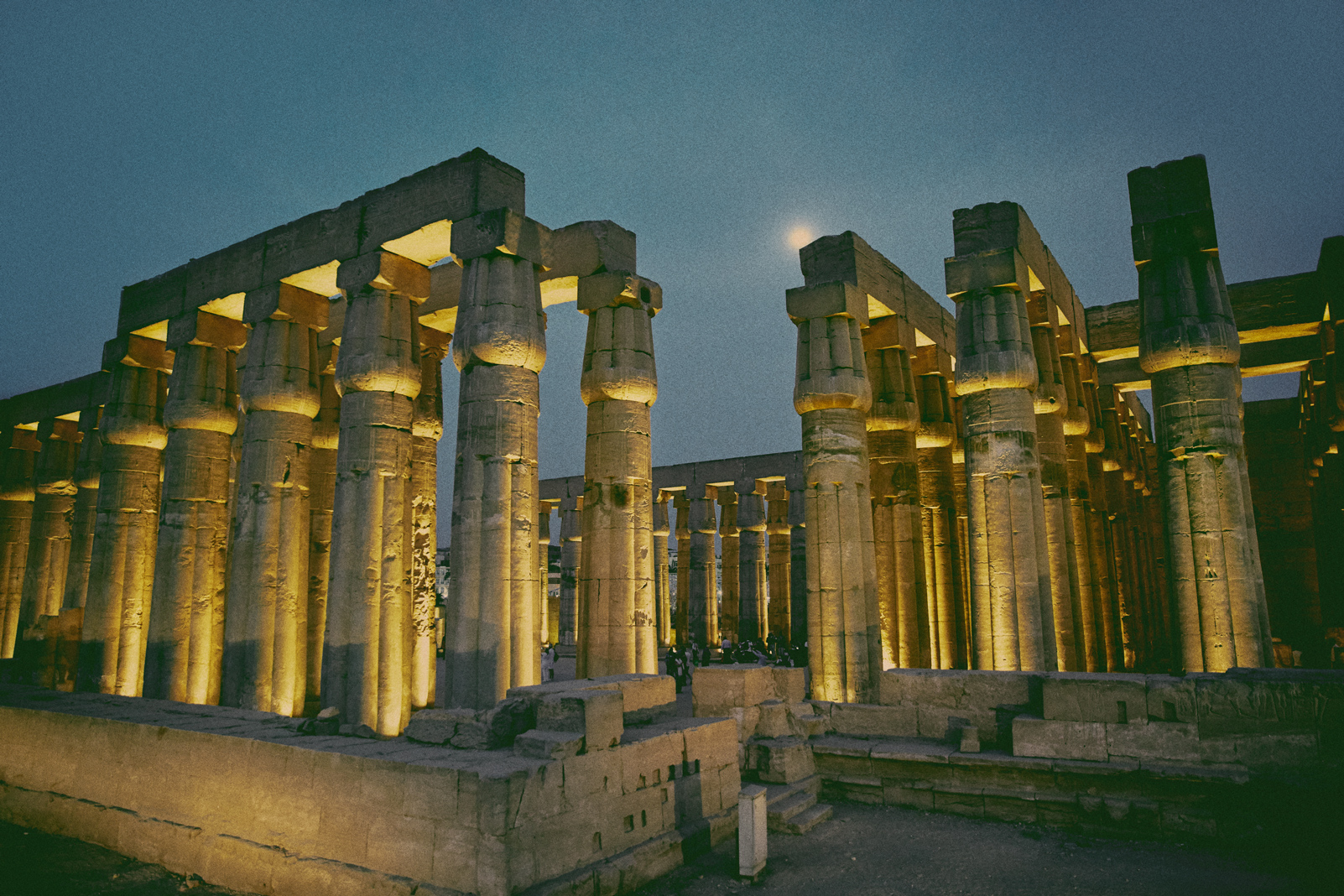
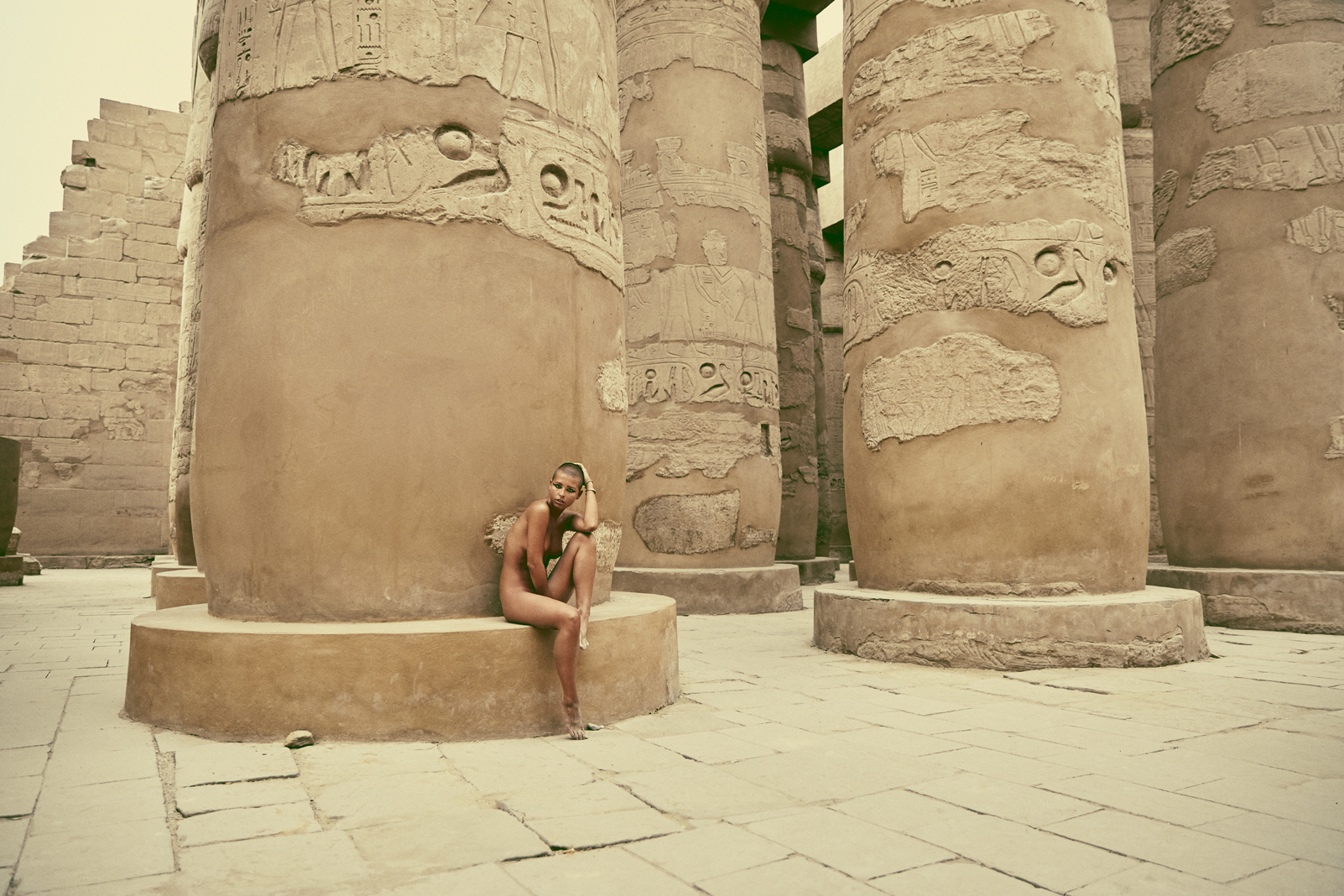
The Karnak temple swarmed with tourists. Giza seemed heavily guarded but here there seemed to be five guards for every pillar. We waited in the furthest chamber, patient as the hours thinned toward closing time. Until the atmosphere opened for my undress and dust rose beneath my feet again. The thought that perhaps nobody had danced naked in this temple since the Kingdom of Goddesses sent me spiraling. I spiraled and spiraled, when suddenly a turbaned man appeared behind Jesse, my jumpsuit in one hand, his flip phone in the other, his face frozen in disbelief. Jesse turned in an instant and ripped my clothes from the man's grip. I slipped behind a pillar. What followed seemed a scene from a comic book — the turbaned man and I circled the same pillar in opposite directions, as he thrust his phone around every corner trying to capture proof, I coordinated in urgent signals with Jesse for the precise moment to throw my dress. Which I caught and jumped into.
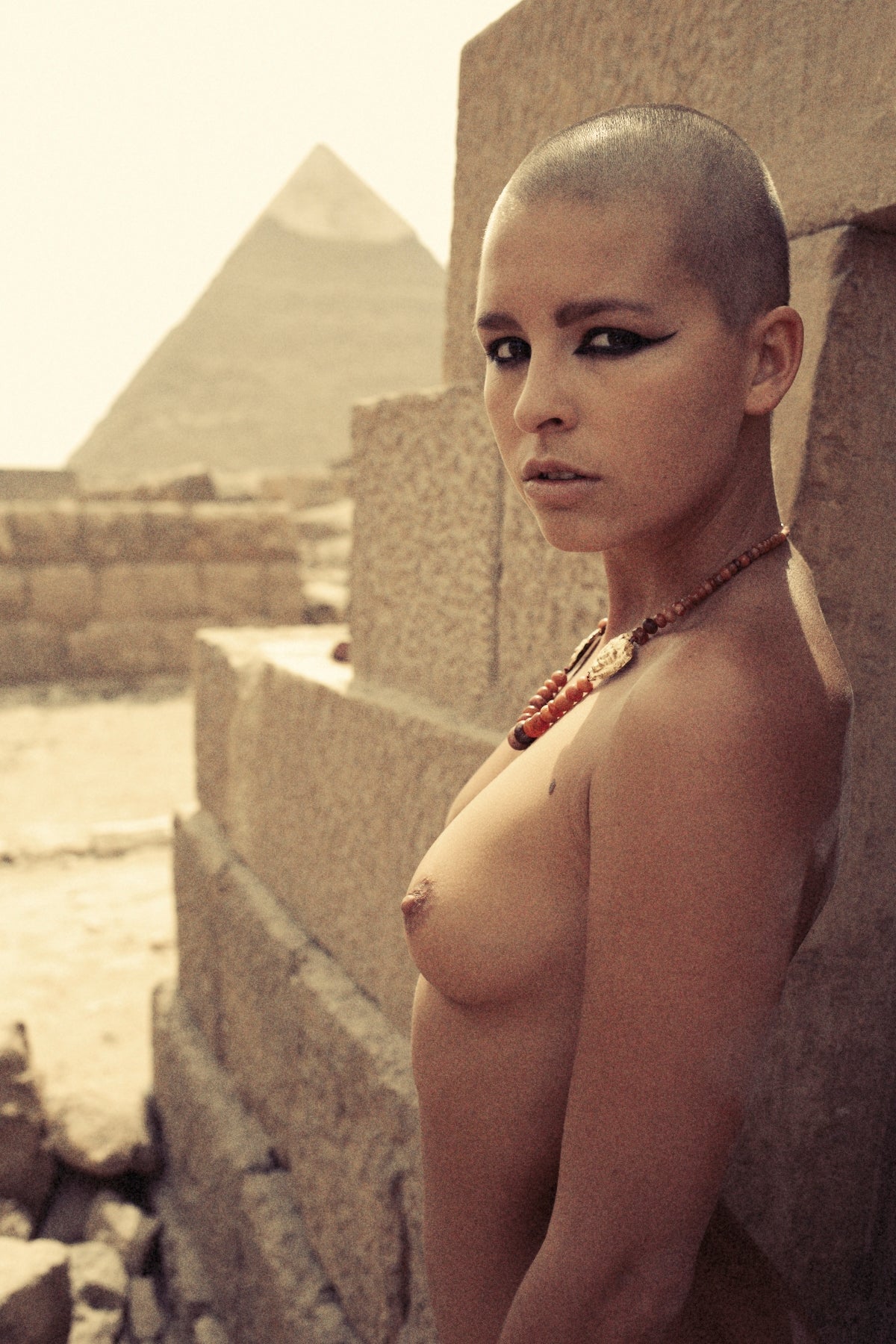
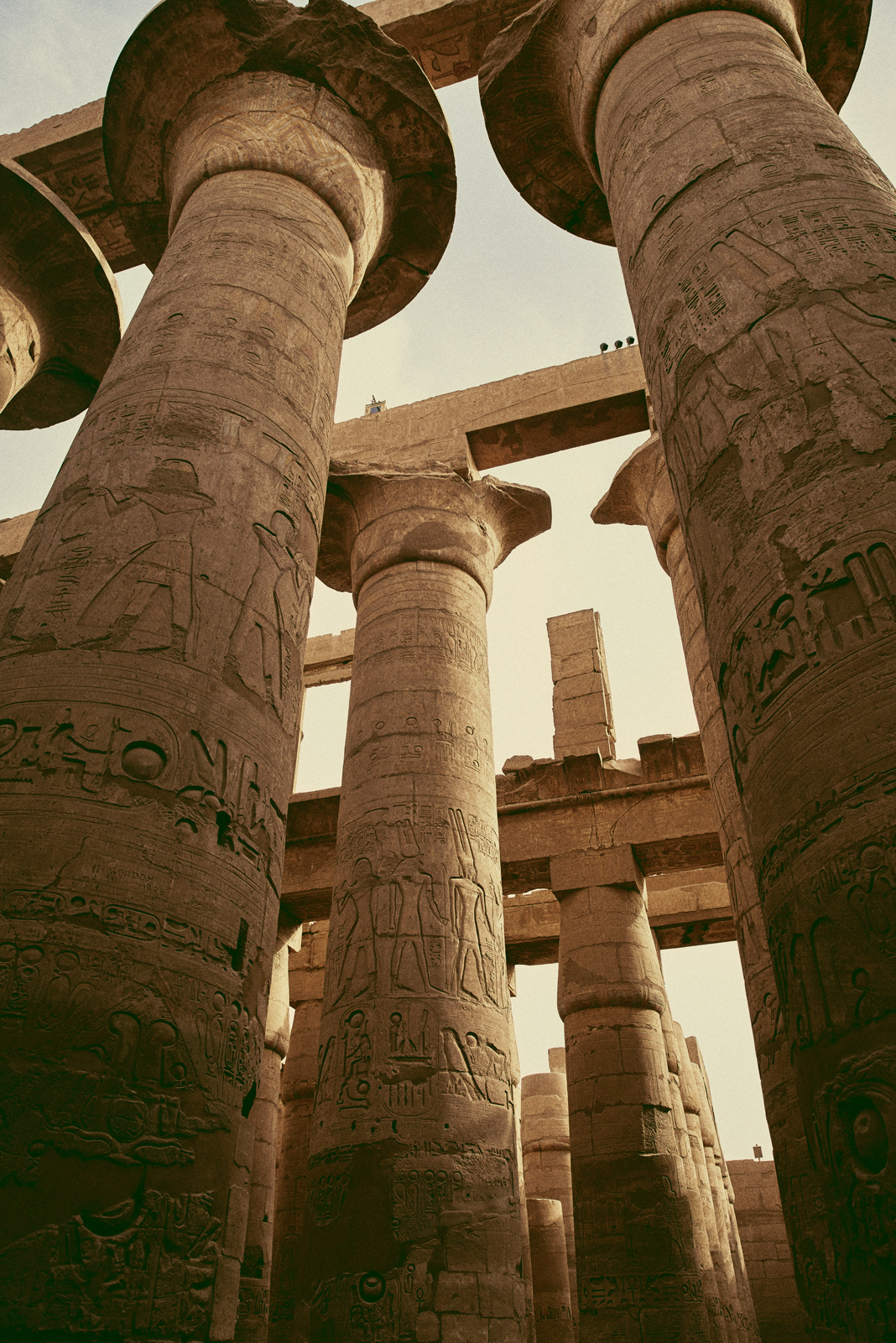
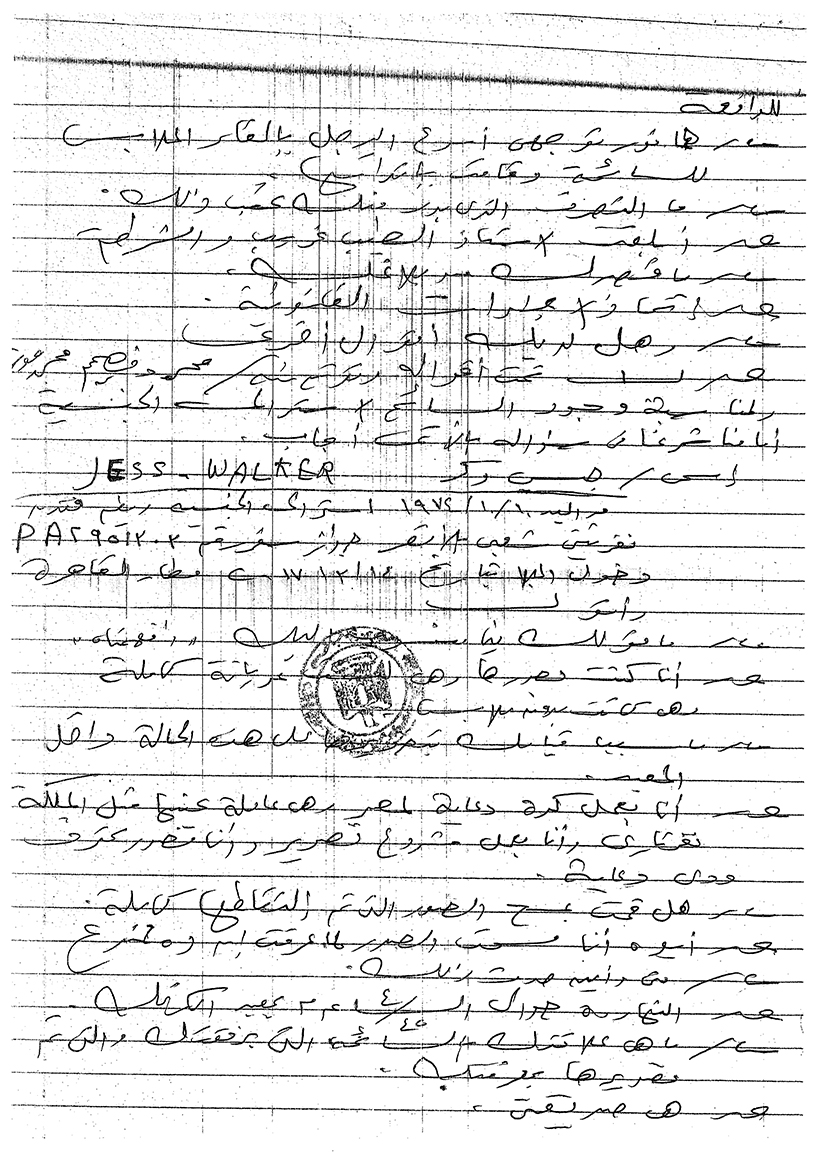
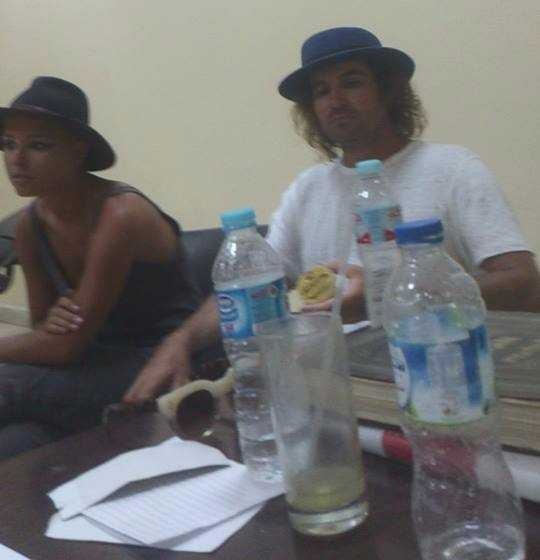
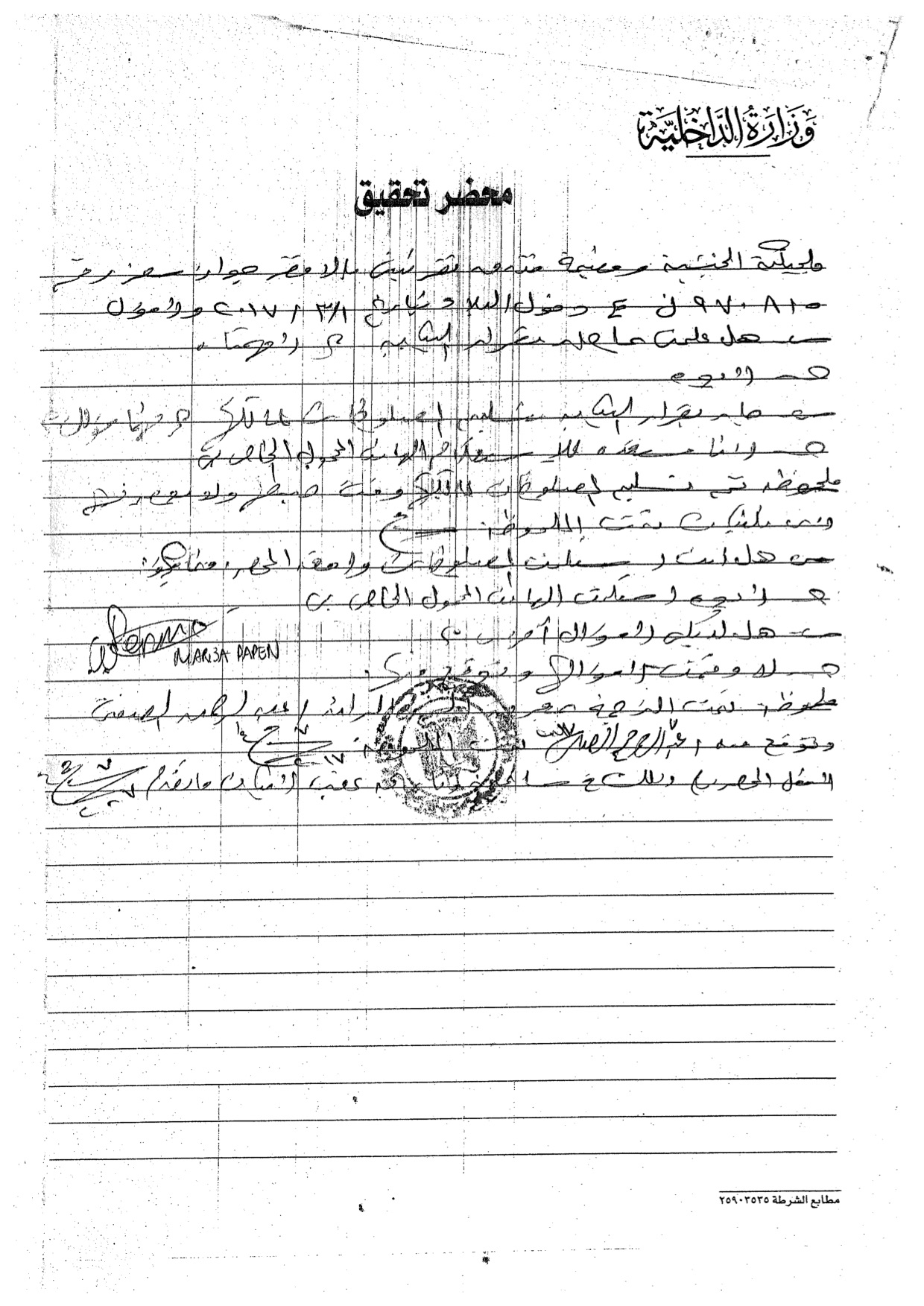
By the time we reached the exit, ten guards were funneling us into the hands of the police. But before we arrived Jesse had emptied the card. The camera was confiscated immediately. No images. "Where are the photos?" We told them we had only been testing the light, that nothing had been captured yet and that I was wearing skin-colored underwear. They didn't believe us. Jesse was strip-searched and our phones were taken. For the next twenty-four hours they pulled like animals on a leash from one police station to the next. The first cell we faced held at least twenty men, some collapsed on the floor, some pressing bleeding hands through the metal, others yelling. One man had been severely injured in the head and stood facing the wall, waiting for care that wasn't coming. Jesse kept whispering, "don't look" — but there was no way not to. We cycled through disbelief, laughter, anger, blame, and long stretches of silence that felt like falling. There were moments we genuinely didn't know if we would see daylight again.
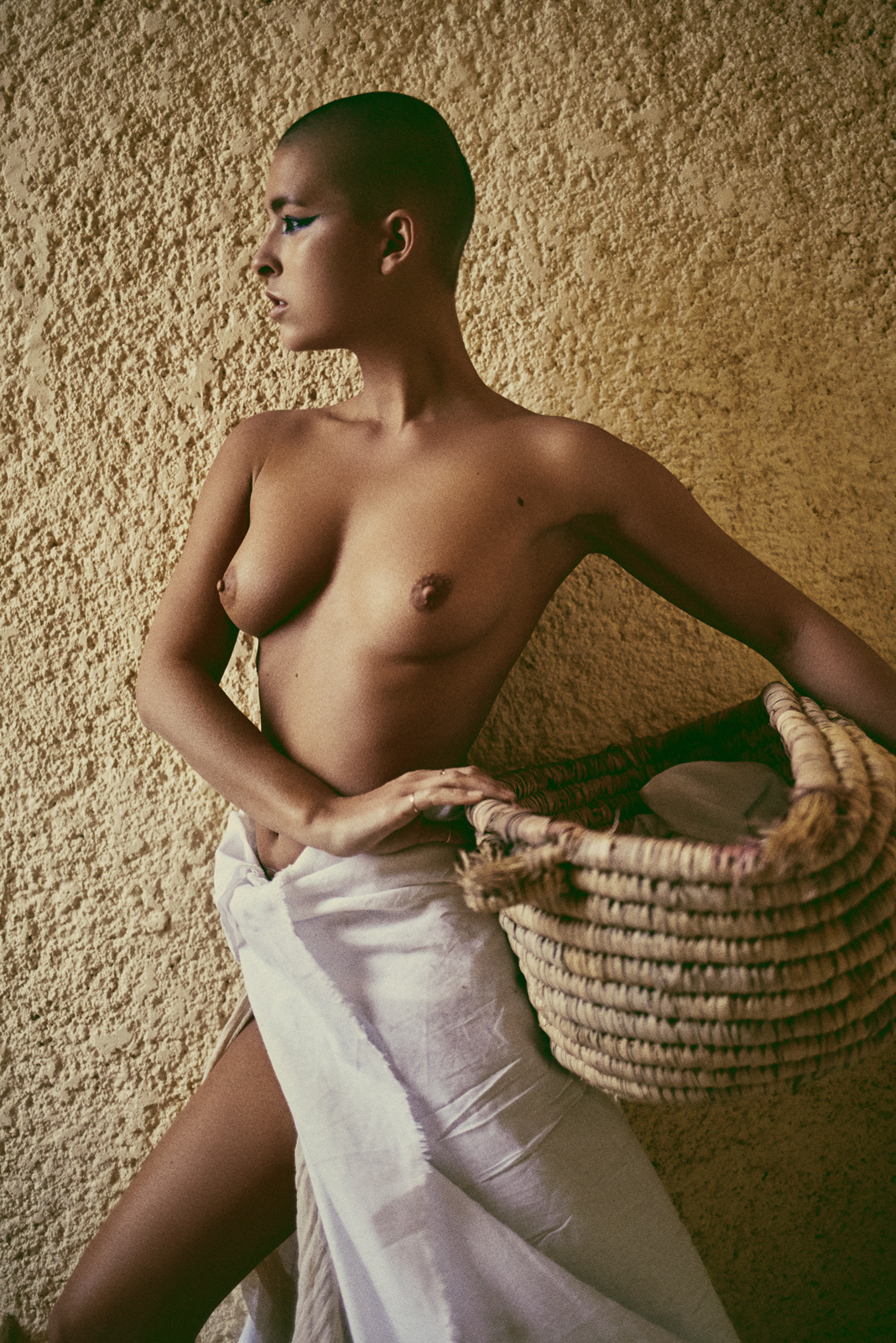
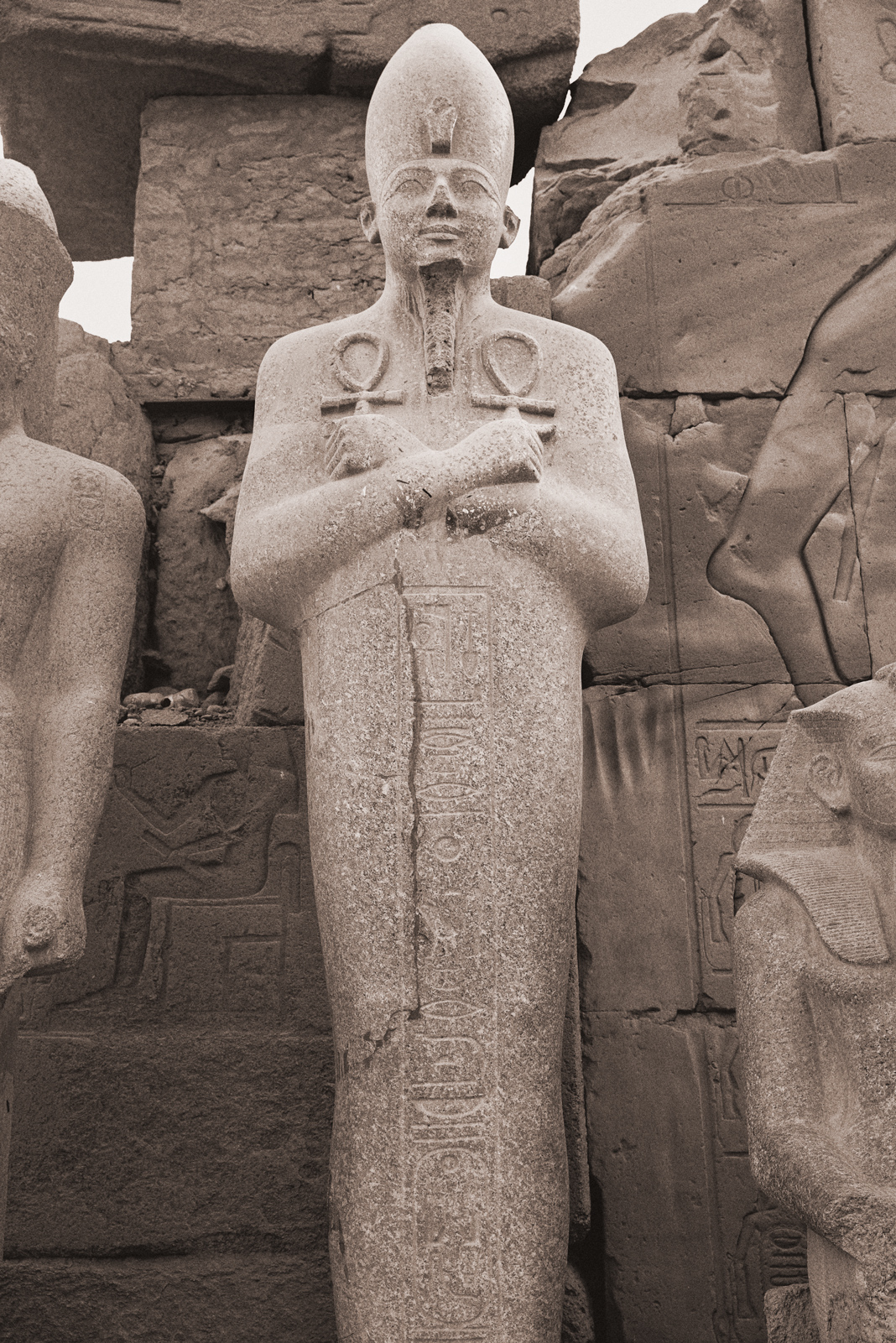
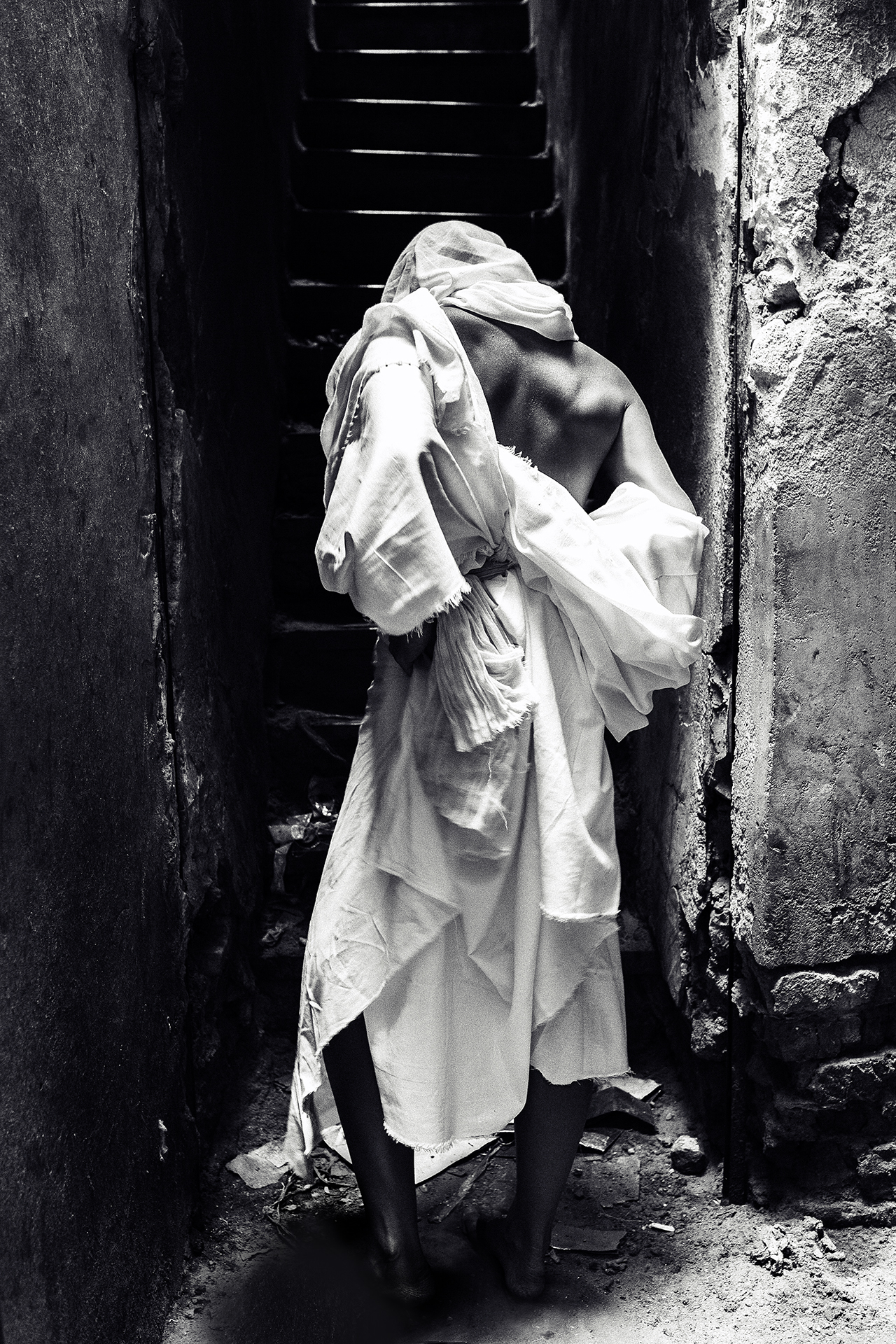
At the fifth police station, we were told we would have to appear in court. Arriving at the courthouse, the building appeared to be an abandoned parking lot. We were led upstairs and left to wait in the dark for hours. Then suddenly we were summoned to the judge's office. By some quiet miracle and because there was ultimately no proof of public nudity, we were given only a warning. The moment I pulled the hotel door shut behind me, I collapsed onto the floor. Tears streaming, I dragged myself to the sink, looked in the mirror, and could barely believe I was still here.
The images we later recovered with the help of special software.