Relationship to Censorship
Censorship is a thread that runs through every chapter of my life. From the age of seven, I was given Ritalin to control what others called 'out of the ordinary' behavior. I had boundless energy and it felt unnaturally painful to sit on a chair for 8 hours a day. I would challenge the school system as I had different ideas on how and what should be taught. The medication numbed my body and spirit. It planted self-doubt and anxiety where there had been fire. "What is wrong with me? Why am I either too much or not enough?" That pain cut deep but the turmoil of those years is also what pushed me into my own strength. Either I would break free, or the system would break me.
Over time, I began to understand censorship not only as something imposed on speech but as something imposed on the body itself. We are taught very early which emotions are acceptable, which instincts are dangerous, which expressions must be suppresed, hidden, medicated, sexualized, or disciplined in order to belong. The body becomes one of the first territories society attempts to regulate. Especially for women, sensitivity, rage, intuition, sensuality, cyclical nature, and wildness are often treated as problems to correct rather than forces to honor. Much of my work is about reclaiming the body as a site of truth instead of shame, a place where memory, spirit, sexuality, grief, and creation can exist without apology.
Later, due to my non-conformist philosophy I was banned from nearly every social platform: Instagram, YouTube, Vimeo, Tumblr, Twitter, Facebook. In 2016, my Instagram account was abruptly removed. After only one year of activity my profile had gained one million (organic) followers. Many of my fans were engaged in the recovery of my account. This is how I was introduced to Instagram's director of PR. I was told that the aureola of my nipple had not sufficiently been covered and that my message of freedom didn't fit their agenda.
The censorship I encountered online felt like an extension of what I experienced growing up. Systems attempting to suppress what cannot be easily categorized, controlled, or monetized. But then again, that suppression also clarified my path. It forced me to stop seeking permission and to create outside institutional approval. My work exists in devotion to what is raw, embodied, instinctual and free.
Because I refuse to comply with censorship, the only platform I offer my presence is Patreon. I'm excited and grateful to welcome you there.
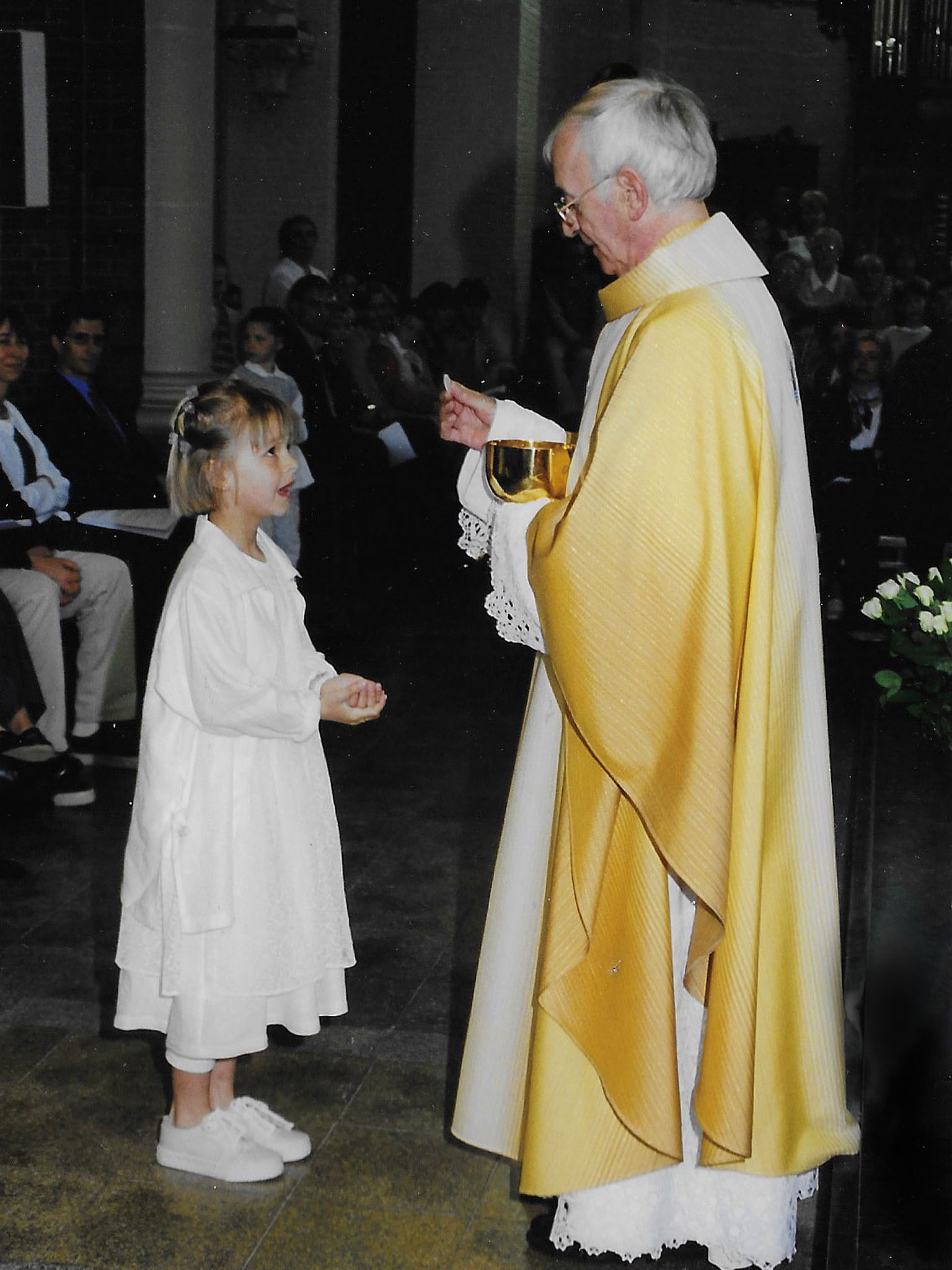
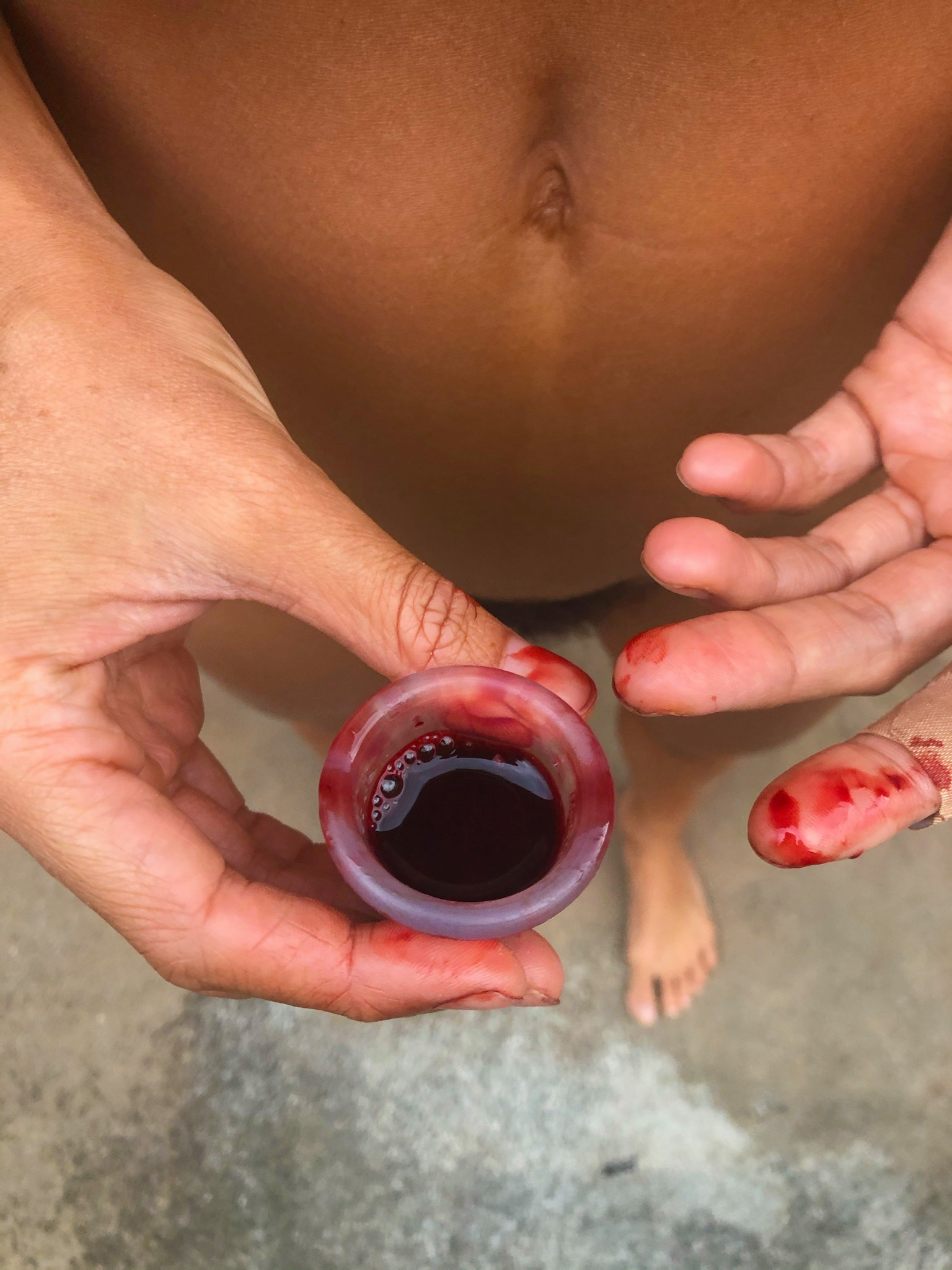
"The banning of Marisa Papen’s Instagram account makes particularly clear that there are institutional constraints at play on Instagram. These reflect the specific “platform politics” of Instagram, which are shaped by the ideologies and commercial interests of Instagram."
✑ Authors: Sofia P. Caldeira PhD, Sander De Ridder PhD and Sofie Van Bauwel PhD
Source: DiGeSt. Journal of Diversity and Gender Studies, Vol. 5, No. 1 (2018)
Published by: Leuven University Press